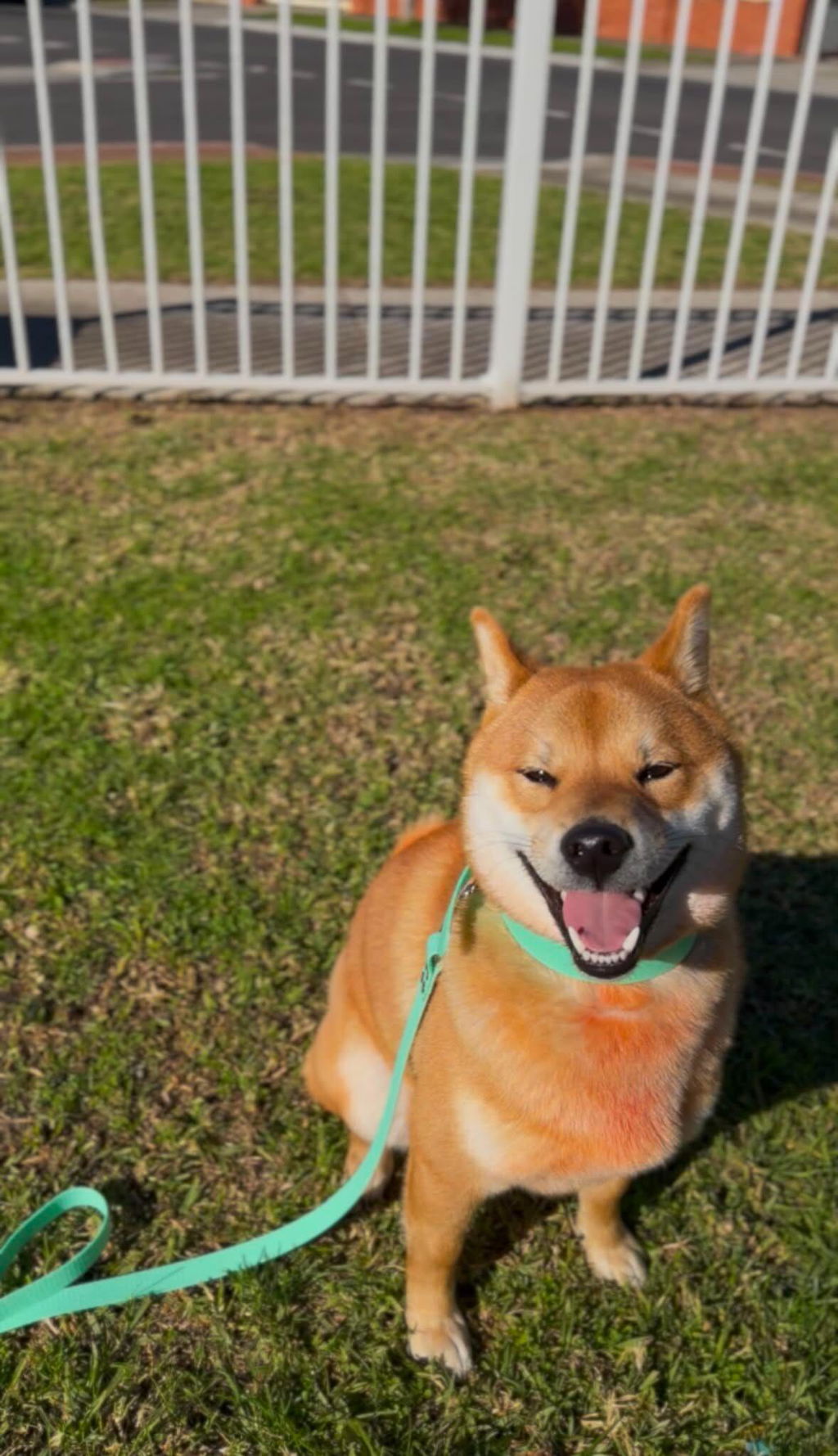
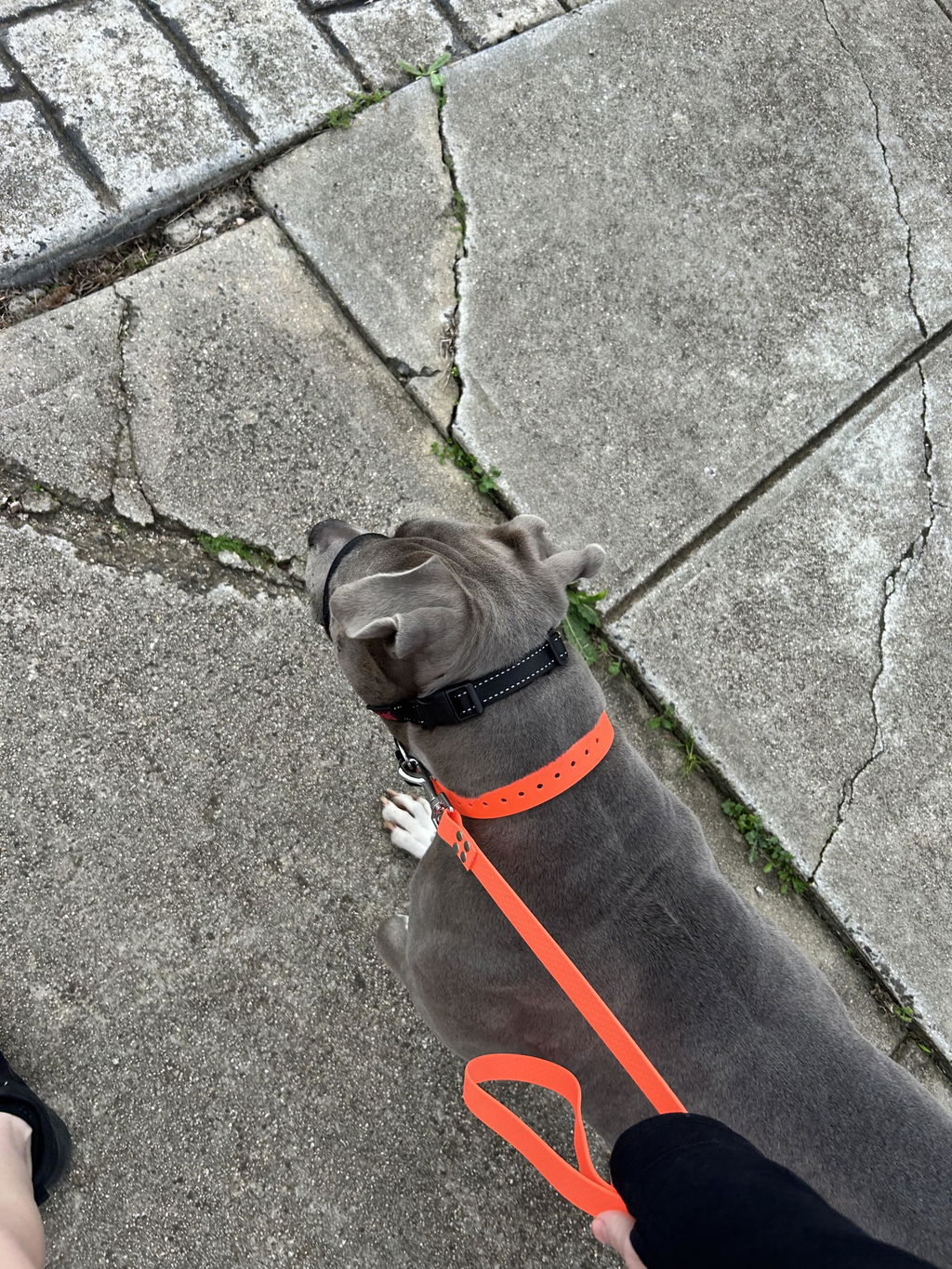
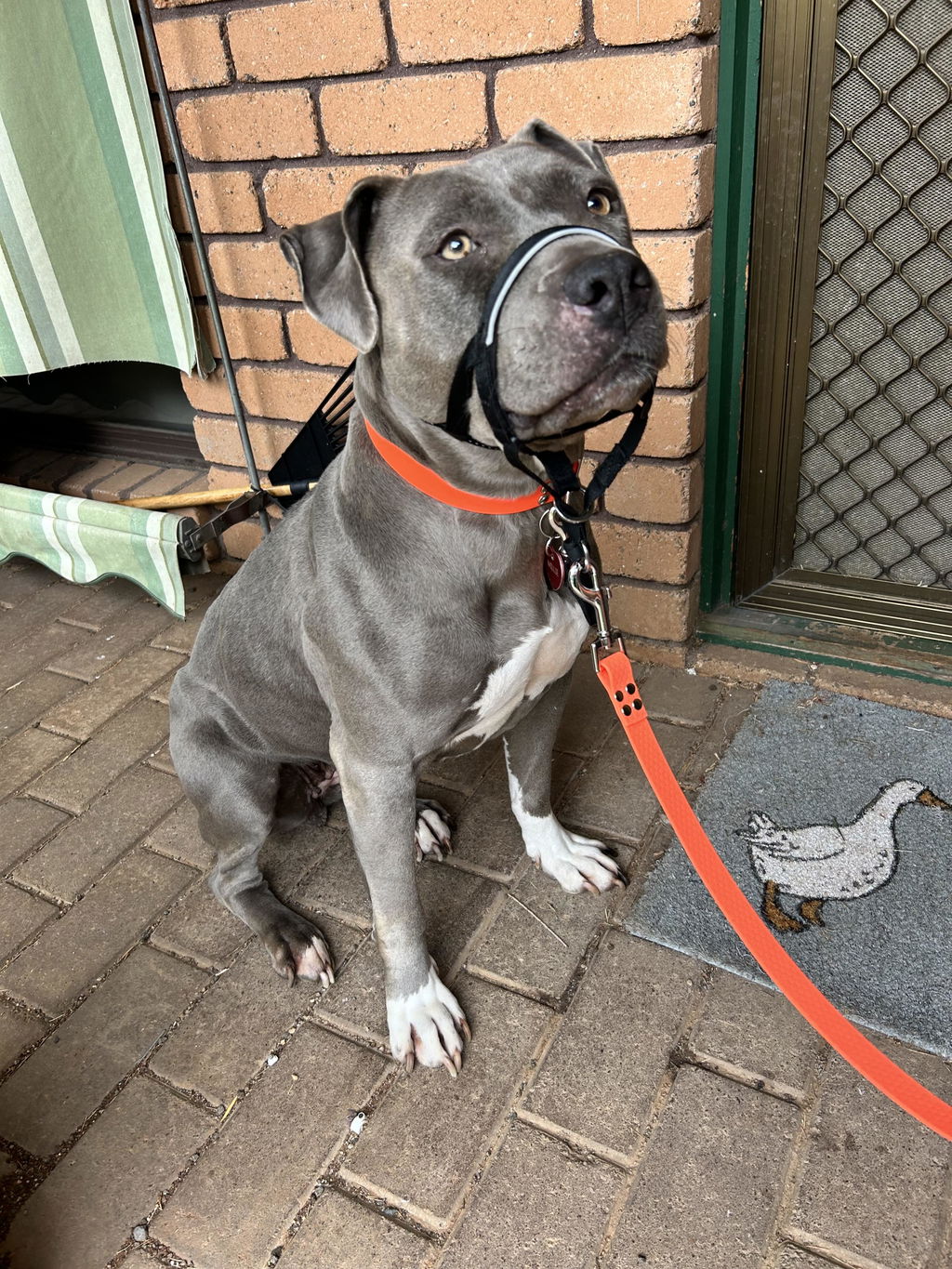
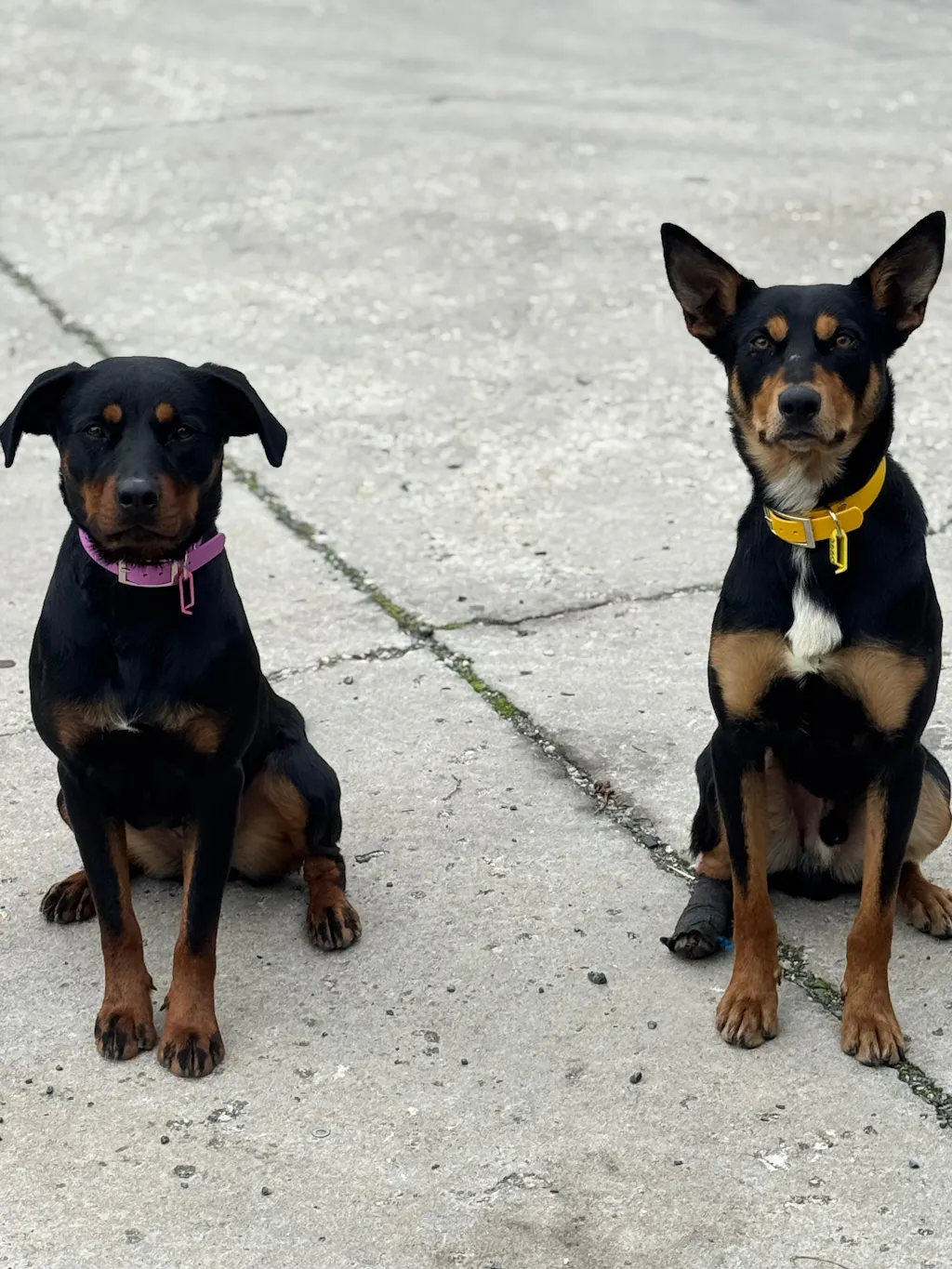
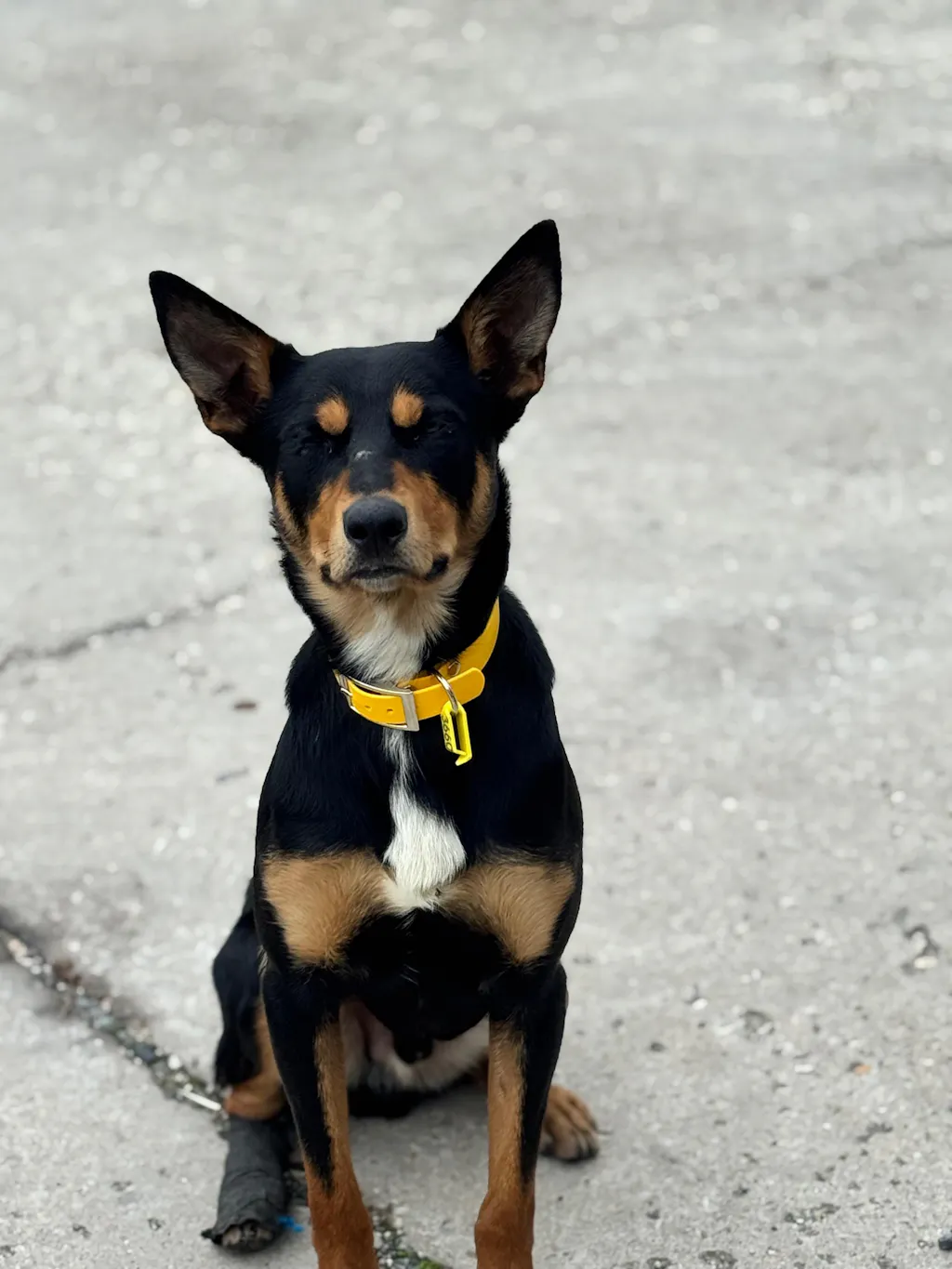
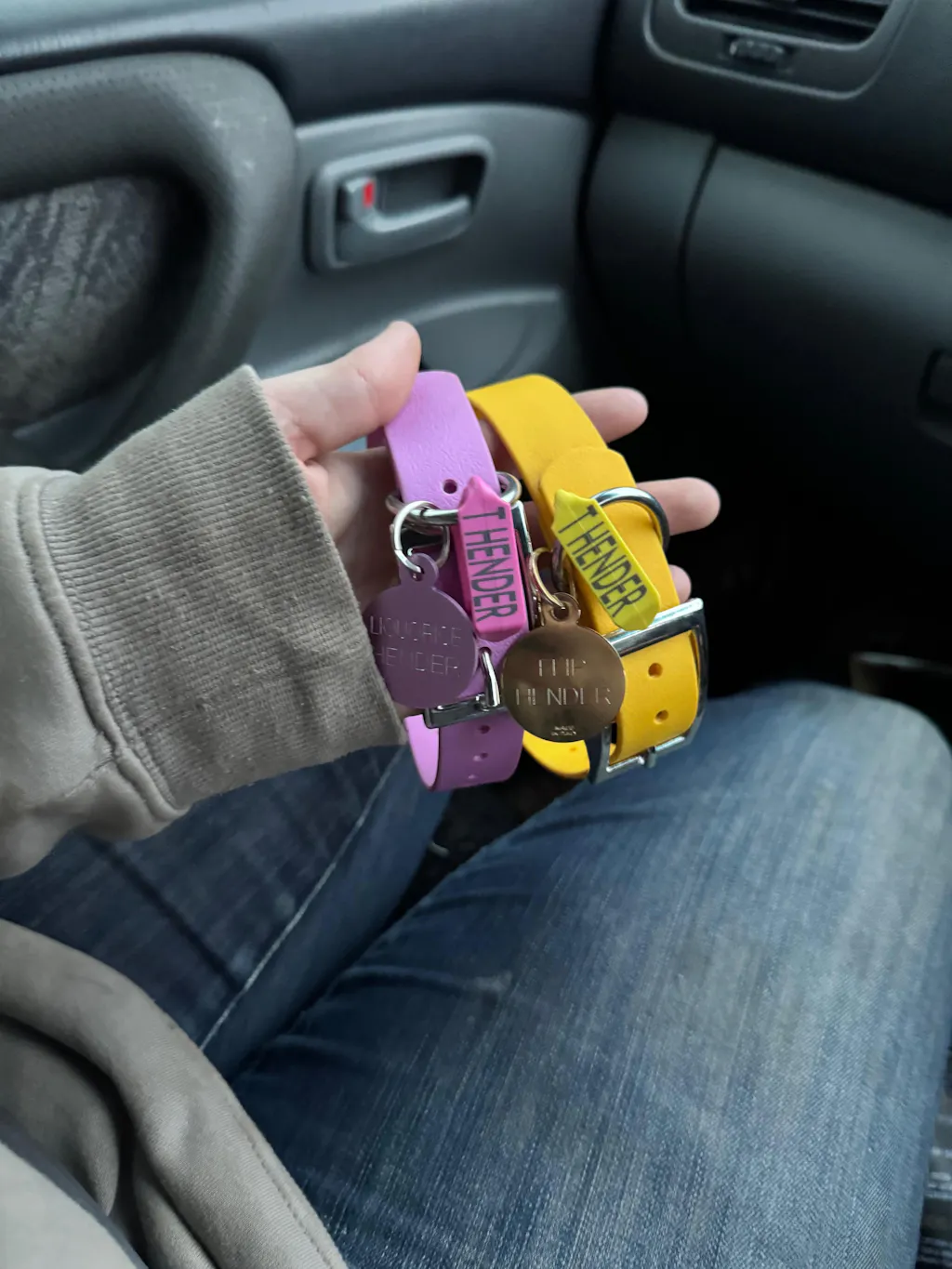
Bought 2 of their collars to fit a Kelpie and a Kelpie x Rottweiler. Best collars ever! Got one in the Mauve and one in the Yellow and you can tell straight away they are good quality, nice bright colours and absolutely made for working dogs!!
Anyone considering buying one dont second guess it, they are 100% worth your money!
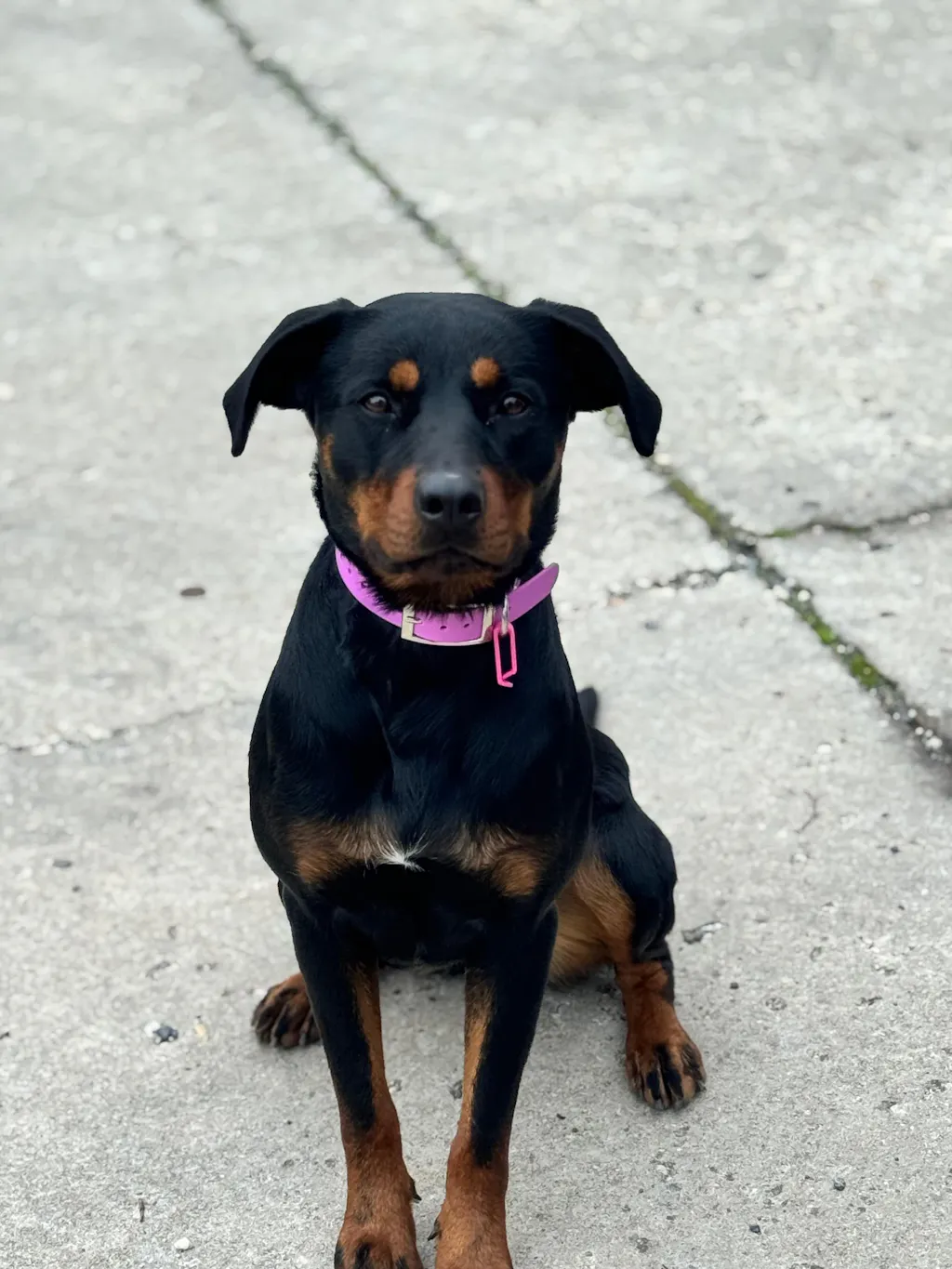
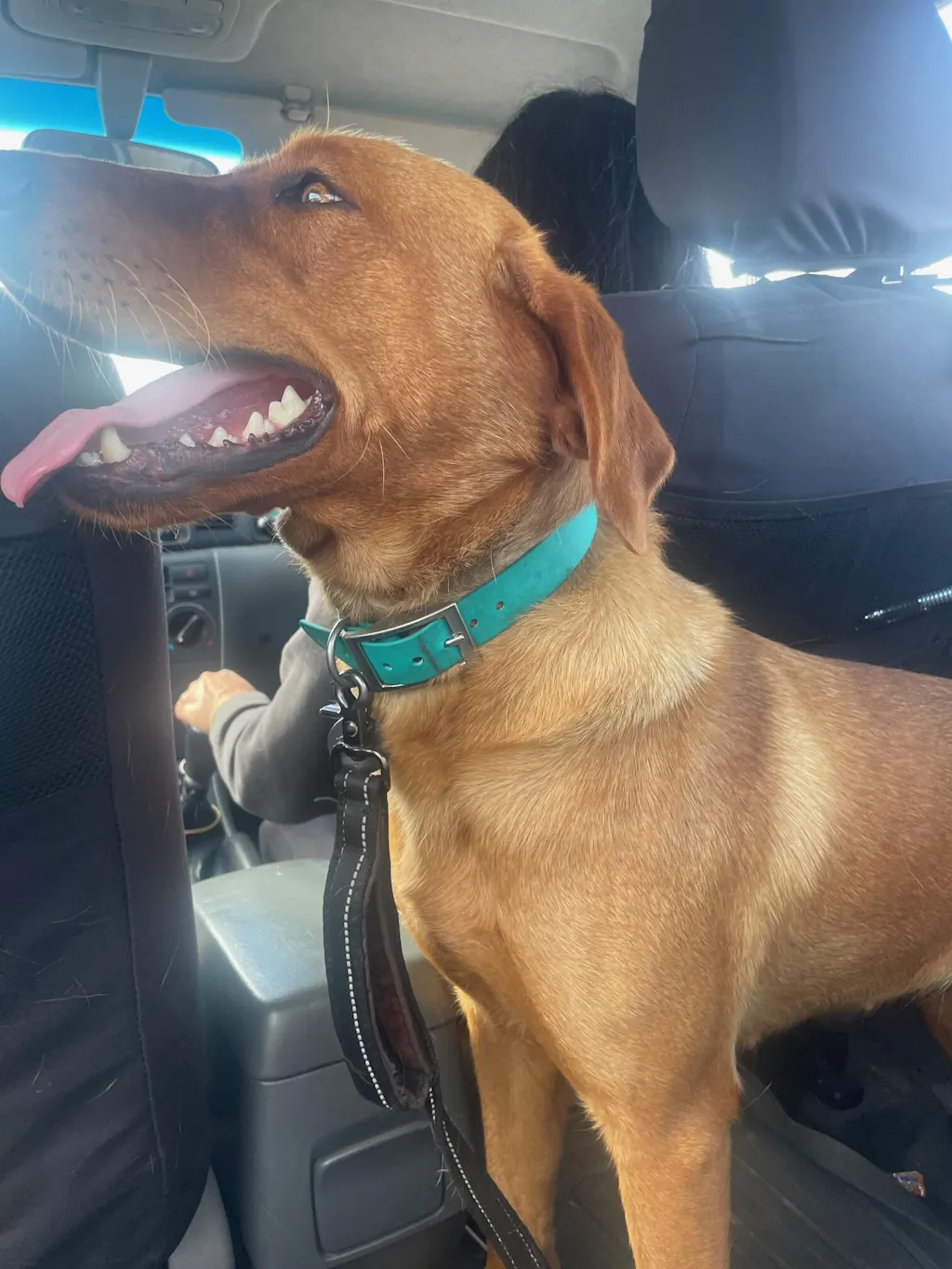
Great collar thanks! Strong , well made and easy to clean! Very happy!
Really nice quality pvc and buckle. No more wet soggy collar for my collie who swims every day.
Love the collars!!
They're bright and colourful so especially helpful for our dark-furred dog, no fuss and sturdy. Excellent customer service and support when we needed it. 😀
We also love that we get to support handmade work and small business .
Great collar, great price and fast delivery.
Great collars, great price, speedy delivery.
The collars are well-made with nice buckles and the colours are great :)
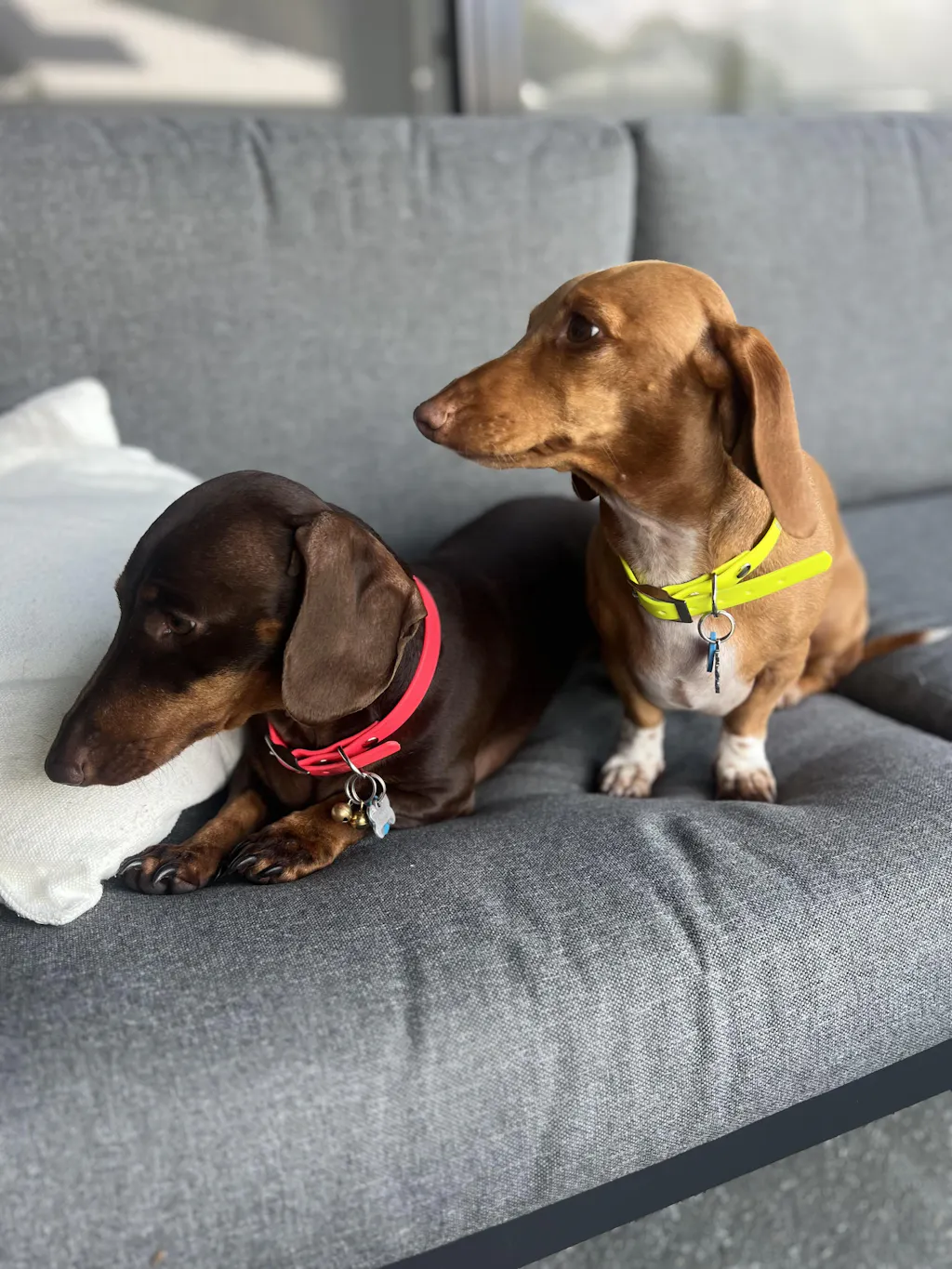
Thanks so much for the 5 stars, Janette — and for sharing that gorgeous photo of your two pups! They look absolutely adorable relaxing in their new collars We really appreciate your support and love seeing our gear out in the real world. Thanks for choosing Jacaranda Collars
I think I've found the perfect dog lead.
Not only is it durable and weather resistant, it is light in my hands but strong enough to feel that I still have control of my dog in all situations.
Thanks so much for the lovely review, Bernie — we’re thrilled to hear you’ve found the perfect lead! That balance of being lightweight in hand while still feeling strong and secure is exactly what we aim for, so it means a lot to hear that feedback. No more lead burn when the pups decide to go on their own adventure! Thanks again for supporting our small business and trusting us with your pup’s gear
Great quality lead, super friendly customer service! Rico loves his new set!
Thanks so much, Ellie — we really appreciate your lovely review! We’re so glad to hear you’re happy with the quality and service, and even more importantly that Rico is loving his new set Thanks again for supporting our small business and giving Jacaranda Collars a go
Very quick postage and so far seem to be holding up to some very excitable sleddogs - the leads in particular I am loving as they are soft feeling and very grippy which is super important at the start of a race!
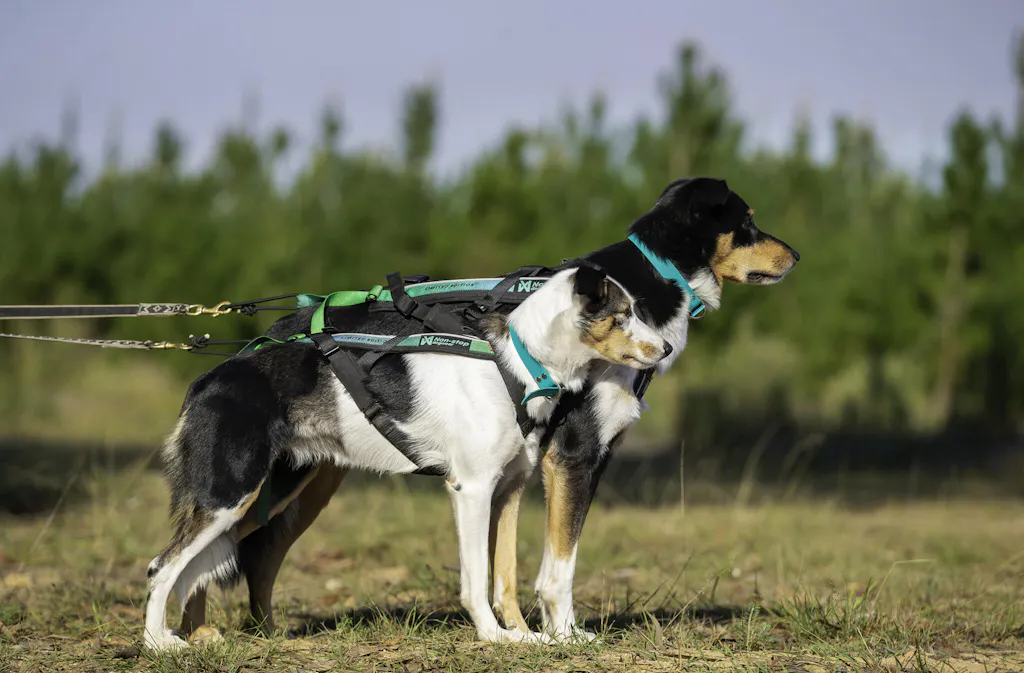
Thanks so much, Kirby — we really appreciate your lovely review! We’re thrilled to hear the gear is holding up to your excitable sleddogs and that the grip/feel of the leads is ticking the boxes where it matters most. Hearing they’re race-ready is pretty cool! If you ever get any photos of the team in their gear, we’d absolutely love to see them
Such a great lead! Amazing quality, colour is beautiful, love the option of having a safety clip and long length! And it’s waterproof so it’s been great for the beach, easy to clean!
Thanks so much, Emma — we really appreciate your lovely review! We’re so glad you’re loving the lead and that the quality, colour and safety clip option have all hit the mark. Even better to hear it’s already getting a workout at the beach and cleaning up easily afterwards Thanks again for choosing Jacaranda for your pup’s gear
Love my new collar for my girl
Thanks so much, Kira — we’re so glad to hear you’re loving the new collar for your girl! We hope she’s wearing it proudly and looking the part 🐾💚 Thanks for choosing Jacaranda for her new gear.
Our dogs all wear these collars, great colours and very durable
Thanks so much, Rachel — we love hearing that all your dogs are rocking Jacaranda collars! We’re so glad you’re happy with the colours and durability, that’s exactly what we aim for. Thanks for trusting us to kit out the whole crew
Such a beautiful colour absolutely adore this collar and lead so much
Thanks so much, Megs — we really appreciate your lovely feedback! We’re so glad you had a great experience with us, and we can’t wait to have you back again for your next order
Thanks so much for the 5 stars, Kylie — we really appreciate you taking the time to leave us a review! We hope you and your pup are loving the new ute tie and putting it to good use